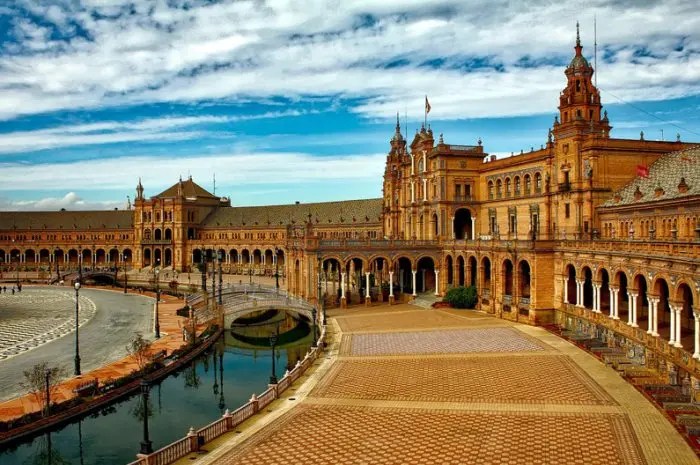
Spain is renowned for its rich cultural heritage, vibrant traditions, and diverse historical landmarks. From ancient ruins and medieval cities to breathtaking architecture and world-class museums, the country offers a wealth of cultural attractions that captivate visitors from around the globe.
In this article, we’ll explore 10 of the best cultural tourist destinations in Spain, each offering a unique glimpse into the country’s fascinating history and heritage.
1. Alhambra, Granada
Perched atop a hill overlooking the city of Granada, the Alhambra is a stunning testament to Spain’s Moorish heritage. This UNESCO World Heritage Site encompasses a sprawling palace complex, lush gardens, and fortified walls dating back to the 13th century.
Visitors can explore intricately carved stucco work, ornate tile mosaics, and serene courtyards adorned with fountains, making it one of Spain’s most iconic cultural landmarks.
2. Sagrada Familia, Barcelona
Designed by renowned architect Antoni Gaudí, the Sagrada Familia is a masterpiece of modernist architecture and a symbol of Barcelona’s artistic heritage. Construction of this basilica began in 1882 and continues to this day, with its towering spires and intricate facades drawing millions of visitors each year.
Inside, visitors can marvel at colorful stained glass windows, whimsical sculptures, and towering columns inspired by nature.
3. Prado Museum, Madrid
Home to one of the world’s finest collections of European art, the Prado Museum in Madrid is a cultural treasure trove spanning centuries of artistic achievement. Visitors can admire masterpieces by Spanish masters such as Velázquez, Goya, and El Greco, as well as works by renowned artists such as Rembrandt, Rubens, and Titian.
With over 8,000 paintings and thousands of other works on display, the Prado offers an unparalleled glimpse into the evolution of Western art.
4. La Mezquita, Córdoba
Originally built as a mosque in the 8th century, La Mezquita in Córdoba is a stunning blend of Islamic and Christian architecture that reflects Spain’s multicultural history. The mosque’s horseshoe arches, intricate tile work, and prayer halls evoke a sense of awe and wonder, while its central cathedral adds a touch of Christian grandeur.
Visitors can wander through the mosque’s forest of columns and marvel at its ornate mihrab, making it a must-visit destination for cultural enthusiasts.
5. El Escorial, Madrid
Nestled in the foothills of the Sierra de Guadarrama, El Escorial is a monumental complex that served as a royal palace, monastery, and mausoleum for Spanish monarchs.
Built in the 16th century under the reign of King Philip II, this UNESCO World Heritage Site features austere yet imposing architecture, with its massive granite walls and symmetrical layout reflecting the power and influence of the Spanish monarchy.
Visitors can explore its ornate royal chambers, grand basilica, and vast library, offering insight into Spain’s golden age of exploration and conquest.
6. Guggenheim Museum, Bilbao
Designed by renowned architect Frank Gehry, the Guggenheim Museum in Bilbao is a contemporary architectural marvel that has become an icon of Spain’s cultural renaissance.
Its undulating titanium-clad facade and innovative design make it a striking contrast to the city’s industrial landscape, while its vast collection of modern and contemporary art captivates visitors from around the world.
Inside, visitors can admire works by artists such as Andy Warhol, Jeff Koons, and Yayoi Kusama, making it a must-see destination for art lovers.
7. Toledo’s Historic Quarter
With its labyrinthine streets, medieval fortifications, and rich architectural heritage, Toledo’s historic quarter is like stepping back in time to Spain’s medieval past.
Declared a UNESCO World Heritage Site for its cultural significance, the city is home to a wealth of landmarks, including the imposing Alcázar fortress, the majestic Cathedral of Toledo, and the ancient Synagogue of Santa María la Blanca.
Visitors can wander through its cobblestone streets, admire its centuries-old churches and palaces, and soak in the city’s vibrant atmosphere.
8. Salvador Dalí Theatre-Museum, Figueres
Located in the artist’s hometown of Figueres, the Salvador Dalí Theatre-Museum is a surrealistic masterpiece that showcases the eccentric genius of one of Spain’s most iconic artists.
Designed by Dalí himself, the museum is a whimsical blend of art, architecture, and imagination, with its flamboyant facade, fantastical sculptures, and immersive installations inviting visitors into the artist’s surreal world.
Inside, visitors can explore a vast collection of Dalí’s works, including paintings, sculptures, and multimedia installations, making it a must-visit destination for fans of surrealism.
9. The Alcázar of Segovia
Rising majestically above the city of Segovia, the Alcázar is a medieval fortress that embodies Spain’s rich architectural heritage. With its fairy-tale turrets, fortified walls, and commanding hilltop location, the Alcázar is a symbol of Segovia’s medieval splendor and a testament to its strategic importance throughout history.
Visitors can explore its opulent interiors, stroll through its manicured gardens, and enjoy panoramic views of the surrounding countryside, making it a popular destination for history buffs and architecture enthusiasts alike.
10. The Great Mosque of Seville
Originally constructed as a mosque in the 12th century, the Great Mosque of Seville, also known as the Mezquita-Catedral, is a breathtaking architectural marvel that reflects Spain’s diverse cultural heritage.
With its intricate horseshoe arches, geometric tile work, and towering minaret, the mosque is a testament to the Islamic influence on Spain’s art and architecture.
Over the centuries, it has undergone various modifications and expansions, including the addition of a Christian cathedral in the center, creating a unique blend of Moorish and Christian elements that fascinate visitors from around the world.
Conclusion
In conclusion, Spain’s cultural heritage is as diverse as it is rich, with a wealth of historical landmarks, architectural marvels, and artistic treasures waiting to be explored.
Whether you’re wandering through the ancient streets of Toledo, marveling at the surrealism of Dalí’s museum, or soaking in the grandeur of the Alhambra, Spain’s cultural tourist destinations offer an unforgettable journey through the country’s fascinating history and heritage.
 Creative Game